

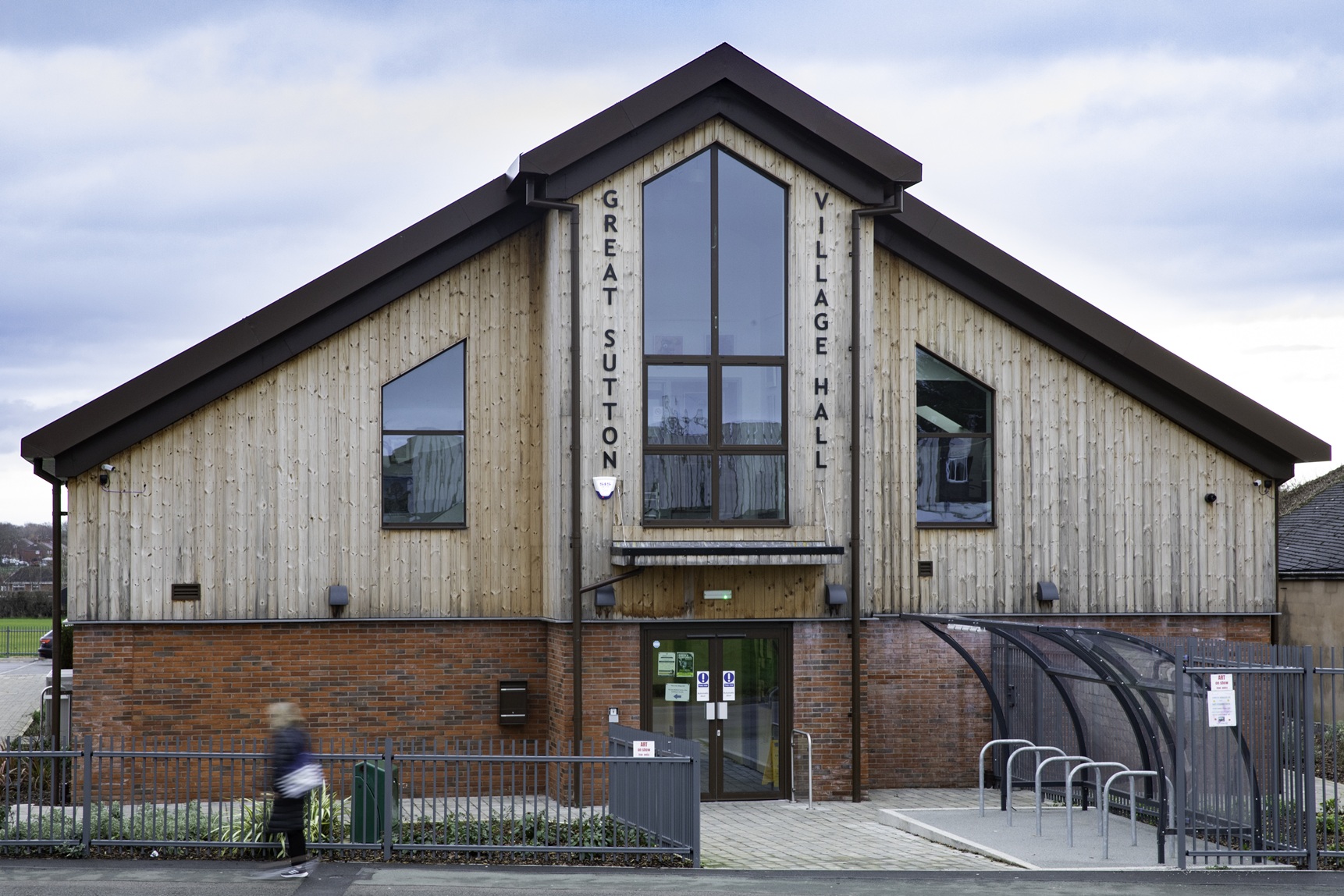
With gamers across the United Kingdom diving into Microsoft Playback—the latest feature celebrating 25 years of Xbox history by allowing users to review decades of performance metrics, achievements, and structural evolution of their virtual play—a fascinating question emerges for the built environment. What if facility managers, civil engineers, and trade contractors could press ‘playback’ on the history of a British building?
While reviewing gaming stats is an enjoyable pastime, the core technology underlying Microsoft Playback—long-term telemetry logging, cloud data aggregation, and historical performance playback—is rapidly reshaping how we approach UK construction, building maintenance, civil engineering, and planned demolition. As the UK infrastructure sector faces tightening budgets, stringent safety standards, and net-zero targets, ‘building playback’ is moving from a futuristic luxury to a daily operational standard.
The ‘Golden Thread’ and the Power of Historical Data Playback
In the wake of the Building Safety Act 2022, the UK construction and facility management industries have been mandated to maintain a ‘Golden Thread’ of information. This requirement demands a digital, immutable record of a building’s design, construction, structural modifications, and ongoing maintenance lifecycle.
Much like a gaming retrospective logs every milestone, building playback systems allow UK duty holders to rewind time and inspect exact historical states of a structure. By leveraging cloud platforms—often built on enterprise architectures such as Microsoft Azure Digital Twins—facilities management (FM) teams in London, Manchester, and across the country can review continuous telemetry collected from Internet of Things (IoT) sensors embedded in concrete, timber framing, and MEP (mechanical, electrical, and plumbing) installations.
Instead of relying on fragmented paperwork or physical inspection logs scattered across offices, engineers can access a visual, timeline-based playback of structural behavior over the last five, ten, or twenty years. This capability fundamentally transforms how we maintain British infrastructure.
Transforming Facility Management and Building Maintenance
For commercial facilities managers overseeing high-density developments or historic heritage properties in the UK, reactive repairs are notoriously costly. Emergency callouts for structural fixes or water ingress can easily stretch maintenance budgets by thousands of pounds.
By integrating telemetry playback tools, FM teams gain clear visibility over historical trends:
- Thermal Performance and Condensation Logs: Facility teams can playback winter temperature fluctuations inside wall cavities to identify thermal bridging before mould compromises plasterwork or timber frames.
- Vibration and Structural Fatigue: Sensors placed near major UK transport hubs (such as railway lines or underground tunnels) record ongoing micro-vibrations. Engineers can replay months of seismic data to evaluate structural settling.
- HVAC and Energy Usage Rewind: By looking back at seasonal operational data, maintenance leads can adjust modern building control systems to cut energy consumption in line with UK EPC requirements.
Enhancing Craft Trades: Carpentry, Painting, and Decorating
The benefits of continuous data playback are not limited to high-level civil engineering; specialist sub-contractors stand to gain immensely.
Carpentry and Timber Preservation
Timber remains a vital material in both traditional British carpentry and modern mass-timber construction (such as cross-laminated timber developments). Moisture is the primary enemy of structural wood, leading to dry rot, wet rot, and dimensional instability. With continuous moisture-logging playback, joiners and timber specialists can retrace ambient humidity levels over several seasons. If a structural beam shows signs of movement, the ‘playback’ reveals whether the cause was a transient plumbing leak six months prior or sustained seasonal swelling.
Painting and Protective Coatings
Commercial painting contractors operating in harsh coastal environments across Cornwall, Scotland, or eastern England deal with aggressive weather wear. Industrial protective coatings on steelwork and external facades require precise application and re-application schedules. By analysing environmental playback logs—including solar radiation exposure, driving rain events, and salt air concentration—facilities managers can predict the exact degradation curve of exterior paint systems, scheduling repainting work precisely when needed rather than relying on arbitrary five-year cycles.
Civil Engineering and Planned Demolition Playback
When a building reaches the end of its operational lifespan, structural demolition teams face significant risks, particularly with mid-century concrete structures where original drawings may be incomplete or inaccurate. This is where long-term structural telemetry playback proves invaluable.
Stress-Test Replay Before Demolition
Before initiating controlled explosive demolition or high-reach mechanical dismantling, civil engineers can review years of stress sensor logs. Understanding how load-bearing columns have shifted, weathered, or absorbed load redistribution over decades allows demolition contractors to calculate precise collapse mechanisms, mitigating risks to surrounding UK city streets and utility networks.
Materials Reclamation and Circular Economy
The UK’s push toward a circular economy encourages the reuse of structural steelwork, bricks, and concrete aggregates. Building playback records allow structural engineers to verify the precise load history and environmental stress that a specific steel beam has endured over 30 years, giving re-sellers and structural certifiers the confidence to re-purpose materials safely in new building projects.
Implementing Building Telemetry Playback in Your UK Assets
For UK facility managers and construction leads looking to adopt data-driven maintenance strategies, practical implementation involves several key steps:
- Specify Open Data Standards: Ensure all modern building installations conform to BS EN ISO 19650 standards for building information modelling (BIM), ensuring long-term software interoperability.
- Retrofit Sensor Networks: For existing commercial stock, install wireless, long-battery-life IoT sensors tracking humidity, surface temperature, structural strain, and vibration in critical asset areas.
- Leverage Enterprise Cloud Platforms: Utilize scalable enterprise cloud platforms—such as Microsoft Azure IoT Hub—to aggregate sensor feeds into accessible graphical visualisations and time-series playbacks.
- Train Maintenance Personnel: Equip local trade teams (carpenters, electricians, maintenance technicians) with tablet interfaces capable of displaying site history before they commence invasive maintenance work.
Conclusion: The Future of Asset Management is Replayable
Just as Microsoft Playback gives gamers a newfound appreciation for their long-term digital history, digital twin telemetry playback gives the UK construction and FM sectors complete clarity over the physical built environment. By treating building data not as a static snapshot, but as a continuous, replayable historical story, we can ensure safer structures, longer asset lifespans, more efficient maintenance, and reduced environmental impact across the United Kingdom.
Leave A Comment